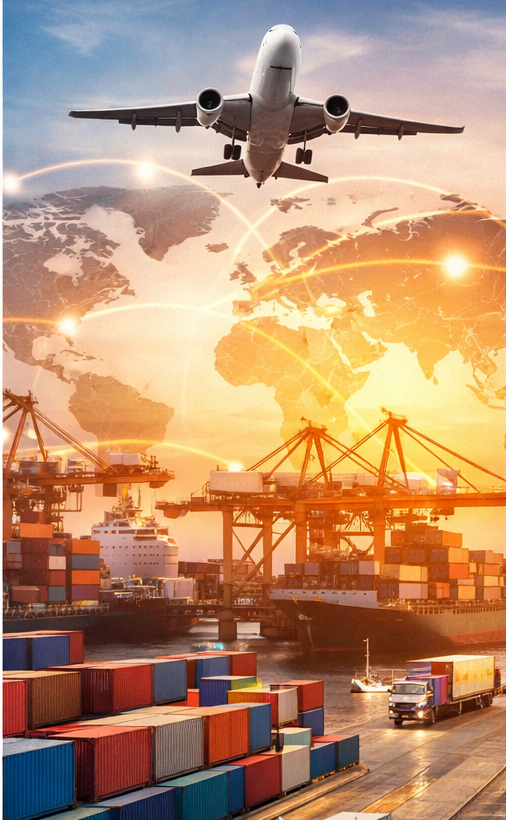
International trade is undergoing major changes as nations rethink how goods are produced and delivered.
The pandemic revealed weaknesses in global supply chains, pushing many governments and businesses to reduce dependence on distant suppliers.
More Local and Regional Production
Many countries are now encouraging companies to manufacture closer to home. This helps reduce shipping delays, costs, and political risks.
Technology Improving Trade
Artificial intelligence and digital tracking systems are helping businesses monitor shipments in real time. This makes global supply chains faster, more transparent, and more reliable.
Climate Rules Affect Trade
Environmental concerns are shaping new trade policies. Governments are increasingly requiring companies to follow sustainable practices rather than focusing only on low costs.
Political Tensions Impact Business
Trade disputes between major nations have led to higher tariffs and stricter regulations. Economists warn that prolonged conflicts could slow global economic growth.
New Manufacturing Hubs Emerging
Several developing nations are attracting major investments as companies look to diversify production beyond traditional industrial centers.
What’s Next?
Experts predict that future supply chains will be shorter, greener, and more technology-driven — but political stability will remain a key challenge worldwide.