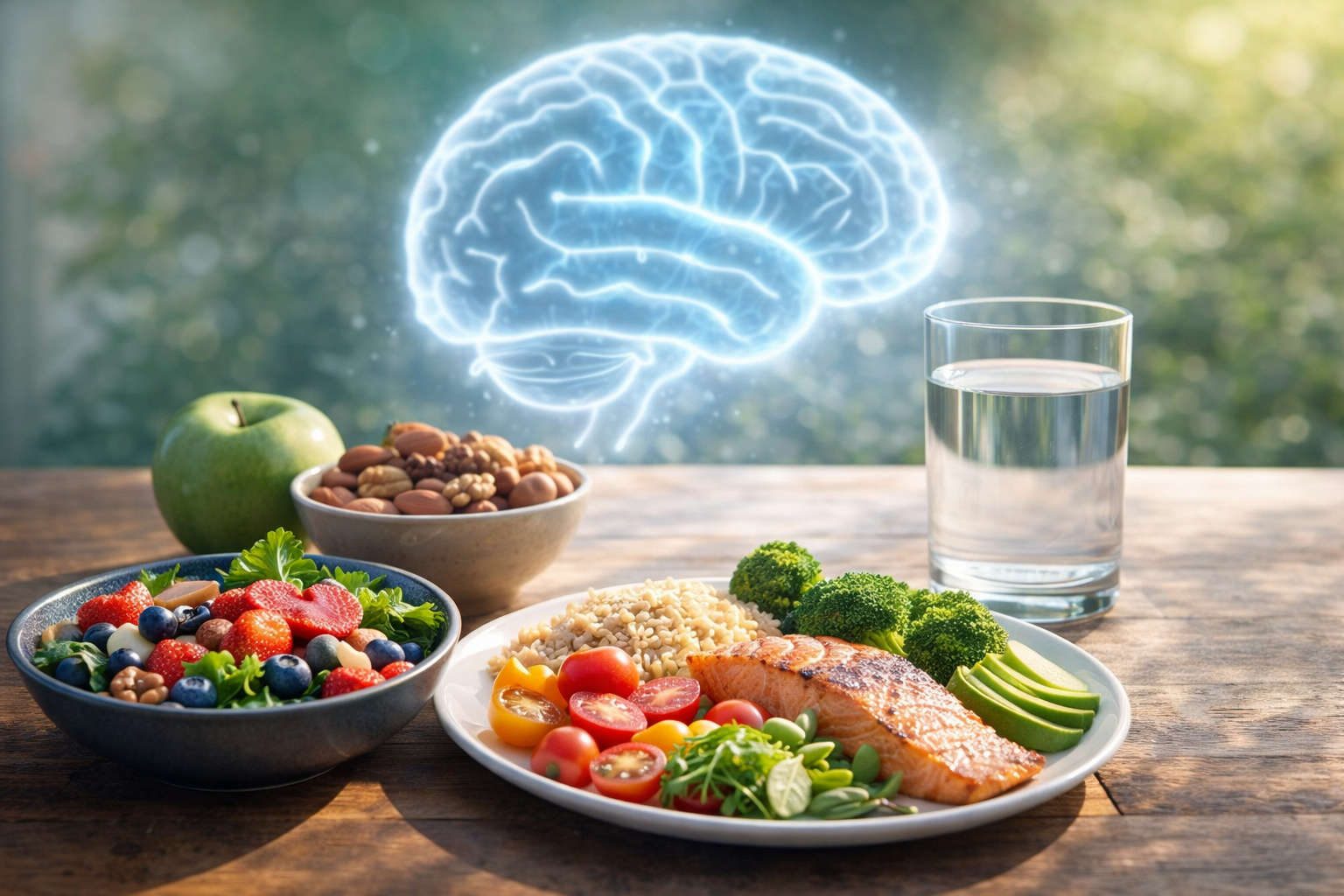
Around the world, doctors and scientists are increasingly agreeing on one simple truth: what people eat does not only affect their bodies — it shapes their minds, emotions, and overall quality of life.
For decades, nutrition was mostly discussed in terms of weight, heart health, or diabetes. Today, research connects food directly to mood, brain function, stress levels, sleep quality, and long-term mental well-being.
This shift is changing how healthcare systems, schools, workplaces, and families think about food.
Food and the Brain — A Strong Connection
The human brain consumes about 20 percent of the body’s energy, even at rest. This means it depends heavily on a steady supply of nutrients.
Studies show that diets rich in fruits, vegetables, whole grains, fish, nuts, and seeds are associated with better memory, sharper focus, and lower risk of depression.
Conversely, diets high in processed foods, sugar, and unhealthy fats are linked to higher rates of anxiety, mood swings, and cognitive decline over time.
Nutrition scientists explain that essential nutrients — such as omega-3 fatty acids, vitamins B, D, iron, and magnesium — play key roles in brain signaling and emotional regulation.
When these are missing, mental health can suffer even if a person appears physically healthy.
Gut Health: The Second Brain
One of the most significant discoveries in recent years is the link between the gut and the brain.
The digestive system contains trillions of bacteria, known as the gut microbiome. These bacteria communicate with the brain through the nervous system and chemical signals.
Research suggests that an unhealthy gut — caused by poor diet, antibiotics, or chronic stress — can increase inflammation in the body and negatively affect mood and behavior.
Fermented foods like yogurt, kefir, kimchi, and kombucha, along with fiber-rich foods such as vegetables, beans, and whole grains, help maintain a healthy gut balance.
This is why many mental health specialists now consider nutrition an important part of treatment alongside therapy and medication.
Energy Levels and Daily Performance
Food directly impacts how energetic or exhausted a person feels throughout the day.
Balanced meals that include protein, healthy fats, and complex carbohydrates provide steady energy. In contrast, sugary snacks may cause quick spikes in energy followed by crashes, leaving people tired and irritable.
Workers, students, and athletes worldwide report better concentration and productivity when they eat regular, balanced meals instead of relying on junk food or skipping meals.
Some companies have even begun offering healthier cafeteria options after realizing that nutrition improves employee performance and reduces sick days.
Nutrition and Long-Term Disease Prevention
Poor diet is now one of the leading contributors to chronic diseases such as heart disease, obesity, and type 2 diabetes.
A diet centered on whole foods has been shown to reduce inflammation, improve blood pressure, and support healthy cholesterol levels.
This does not mean everyone must follow the same strict diet. Instead, health experts encourage gradual changes, such as:
- Replacing sugary drinks with water
- Eating more vegetables daily
- Choosing whole grains instead of refined grains
- Reducing ultra-processed foods
Small improvements over time create significant health benefits.
Mental Health Stigma and Food
In many cultures, mental health is still stigmatized, making it harder for people to seek help.
Nutrition offers a less intimidating entry point. Families may be more open to improving meals than discussing therapy.
While food alone cannot cure mental illness, it can support emotional stability and recovery.
Many global mental health programs now include nutrition education as part of their approach.
Cultural and Economic Barriers
Not everyone has equal access to healthy food. In many parts of the world, fresh produce is expensive or unavailable, while processed foods are cheaper and easier to find.
This has created a global nutrition gap, where wealthier populations tend to eat healthier than poorer communities.
Governments and organizations are beginning to address this through school meal programs, food subsidies, and public health campaigns promoting affordable nutrition.
A Balanced Perspective
Experts caution against extreme diets or guilt-based eating. The goal is not perfection but balance.
Enjoying occasional treats is normal and part of a healthy relationship with food.
What matters most is consistency — eating well most of the time, staying hydrated, and listening to the body’s needs.
Final Takeaway
Nutrition is no longer just about physical appearance. It is a foundation for mental clarity, emotional stability, and long-term well-being.
As awareness grows worldwide, food is increasingly seen as medicine — not just fuel.