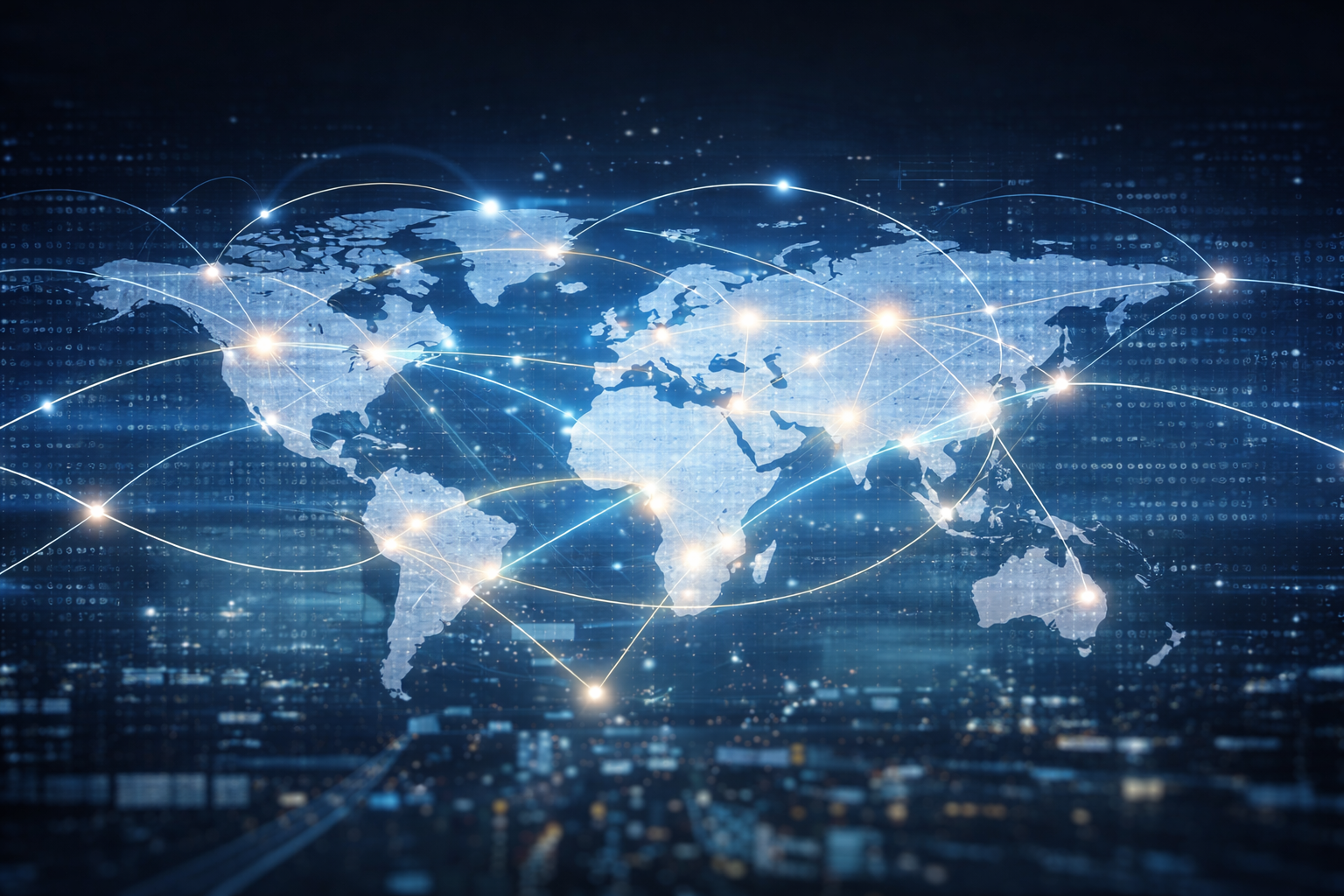
Over the past two decades, emerging economies have transformed the global landscape. Nations that were once considered developing or peripheral are now major players in trade, technology, manufacturing, and diplomacy.
This shift is reshaping power, investment, and opportunity worldwide.
While traditional economic powers remain influential, the rise of emerging economies is creating a more balanced and multipolar world.
What Defines an Emerging Economy?
Emerging economies are nations experiencing rapid industrialization, urbanization, and economic growth.
They often have large populations, expanding middle classes, and increasing participation in global markets.
Many of these countries are investing heavily in infrastructure, education, and technology to accelerate development.
Their growth is not only economic but also political and cultural.
Manufacturing Shift to New Hubs
Global manufacturing is no longer concentrated in a few traditional industrial centers.
Companies are diversifying production to reduce costs, risks, and supply chain disruptions.
Several emerging nations have become major manufacturing hubs due to competitive labor markets, government incentives, and improving infrastructure.
This has created jobs, boosted exports, and strengthened local economies.
Digital Transformation and Innovation
Emerging economies are rapidly adopting digital technology.
Mobile internet, e-commerce, fintech, and digital payments are expanding faster in many developing nations than in established markets.
Local tech startups are solving regional problems through innovation, often leapfrogging older systems.
This digital growth is increasing their global influence in technology and entrepreneurship.
Energy and Resources as Strategic Assets
Many emerging economies are rich in natural resources such as minerals, oil, gas, and renewable energy potential.
Control over these resources gives them significant bargaining power in global negotiations.
At the same time, investments in renewable energy are helping some nations transition toward greener economies.
Trade Expansion and Global Partnerships
Emerging economies are strengthening trade relationships across continents.
They are signing new agreements, forming regional blocs, and participating more actively in international institutions.
South-South trade — commerce between developing nations — is growing rapidly.
This reduces dependency on traditional markets and promotes economic independence.
Rise of Middle Class and Consumer Markets
A rapidly growing middle class is transforming domestic markets in emerging economies.
Increased purchasing power is driving demand for housing, healthcare, education, and consumer goods.
Multinational companies now see these nations as key growth markets rather than just production centers.
Political Influence on the Global Stage
Economic growth has translated into greater political influence.
Emerging economies are playing larger roles in global decision-making, peace negotiations, and climate discussions.
They are demanding more representation in international institutions and advocating for fairer global systems.
Challenges Still Exist
Despite progress, many emerging nations still face challenges such as inequality, corruption, infrastructure gaps, and political instability.
Economic growth does not always benefit all citizens equally.
Education, healthcare, and environmental sustainability remain critical priorities.
Climate and Sustainability Pressures
As these economies grow, their environmental impact increases.
Balancing development with sustainability is one of their biggest challenges.
Many governments are investing in clean energy and climate resilience, but financial and technological support is still needed.
What the Future Holds
Experts predict that emerging economies will continue to shape global growth in the coming decades.
Their influence in trade, technology, and diplomacy will only increase.
The world is moving toward a more multipolar system where power is shared rather than concentrated.
Final Takeaway
Emerging economies are no longer followers — they are leaders in many sectors.
Their rise is creating new opportunities, new partnerships, and a more dynamic global economy.
The future of the world will be shaped as much by these nations as by traditional powers.