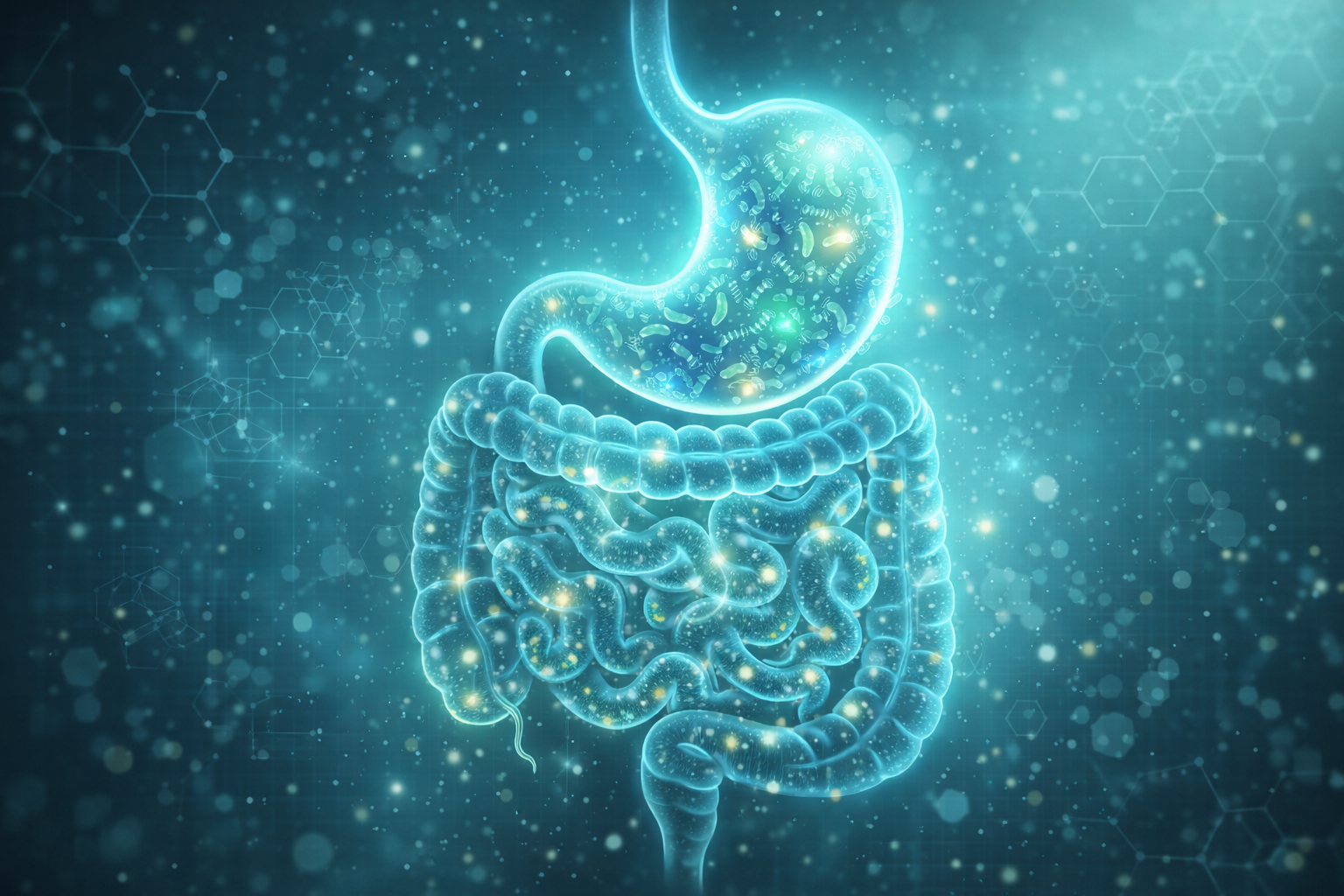
In recent years, gut health has become one of the most talked-about topics in nutrition and medicine.
Scientists now recognize that the gut plays a central role not only in digestion but also in immunity, mental health, and overall well-being.
This has changed how people think about food, health, and disease prevention.
The Gut Microbiome
The human gut contains trillions of bacteria, collectively known as the gut microbiome.
These microorganisms are not harmful — in fact, many of them are essential for survival.
They help digest food, produce vitamins, and protect the body from harmful pathogens.
A healthy microbiome is diverse and balanced.
Gut and Immune System Connection
Around 70 percent of the immune system is located in the gut.
This means that gut health directly influences how well the body fights infections.
When the gut is healthy, the immune system is stronger and more responsive.
When the gut is imbalanced, the body becomes more vulnerable to illness.
Signs of Poor Gut Health
Common signs of gut imbalance include:
- Frequent bloating
- Constipation or diarrhea
- Food intolerances
- Low energy
- Frequent infections
- Skin problems
These symptoms often indicate that the microbiome needs support.
How Diet Affects Gut Health
Food has a powerful impact on gut bacteria.
A diet high in processed foods, sugar, and unhealthy fats can harm gut health.
On the other hand, fiber-rich foods such as vegetables, fruits, whole grains, and legumes support beneficial bacteria.
Fermented foods like yogurt, kefir, kimchi, and kombucha also promote gut diversity.
The Role of Probiotics and Prebiotics
Probiotics are live beneficial bacteria found in certain foods and supplements.
Prebiotics are fibers that feed these bacteria.
Together, they help maintain a balanced gut environment.
However, experts recommend focusing on whole foods rather than relying solely on supplements.
Gut Health and Mental Well-Being
The gut and brain are connected through what scientists call the “gut-brain axis.”
Research suggests that an unhealthy gut may contribute to anxiety, depression, and mood disorders.
Improving gut health can positively affect mental clarity and emotional stability.
Antibiotics and Gut Health
While antibiotics are sometimes necessary, they can disrupt gut bacteria.
Doctors now advise using antibiotics carefully and restoring gut health afterward through diet and probiotics.
Lifestyle Factors
Stress, lack of sleep, and sedentary behavior can also harm gut health.
Managing stress through mindfulness, exercise, and rest supports a healthier microbiome.
Long-Term Benefits of a Healthy Gut
A strong gut contributes to:
- Better digestion
- Stronger immunity
- Improved mental health
- Reduced inflammation
- Better energy levels
Final Takeaway
Gut health is not just about digestion — it is central to overall health.
By eating well, managing stress, and supporting beneficial bacteria, people can strengthen both their body and mind.