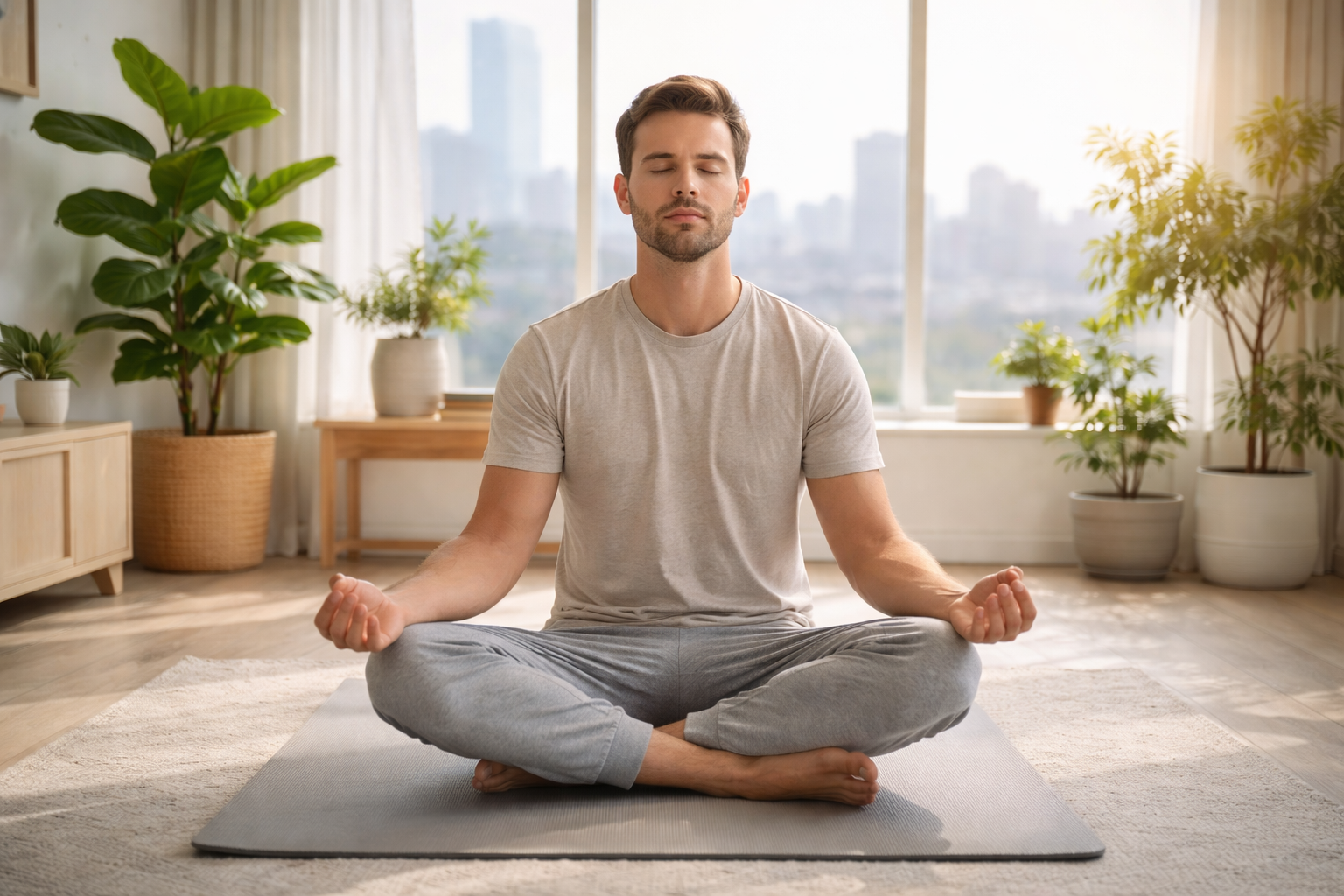
In recent years, mindfulness has moved from ancient spiritual traditions into mainstream modern life. What was once associated mainly with monks, yogis, and meditation retreats is now practiced by students, professionals, parents, athletes, and even corporate leaders around the world.
The growing popularity of mindfulness reflects a broader shift in how people understand mental health, stress, productivity, and well-being.
Why Mindfulness Is Trending
Modern life is faster, louder, and more demanding than ever. People are constantly connected through smartphones, social media, emails, and digital notifications. While technology brings convenience, it also creates mental overload.
As a result, many people feel stressed, distracted, and mentally exhausted. Mindfulness offers a simple, accessible way to slow down, focus, and regain emotional balance.
Unlike fitness trends or strict diets, mindfulness does not require special equipment, expensive programs, or physical strength. It only requires attention and awareness.
What Mindfulness Really Means
At its core, mindfulness means paying full attention to the present moment without judgment. Instead of worrying about the past or future, a mindful person observes their thoughts, emotions, and surroundings calmly.
This can be practiced through meditation, breathing exercises, mindful walking, or even mindful eating.
The goal is not to eliminate thoughts but to observe them without being controlled by them.
Scientific Evidence Supporting Mindfulness
Over the past decade, scientific research has increasingly supported the benefits of mindfulness.
Studies show that regular mindfulness practice can:
- Reduce stress and anxiety
- Improve emotional regulation
- Increase concentration and focus
- Enhance overall mental well-being
- Improve sleep quality
- Lower blood pressure in some individuals
Brain imaging research suggests that mindfulness can actually change how the brain processes emotions and stress over time.
This scientific backing has helped move mindfulness from a spiritual concept to a widely accepted mental health tool.
Mindfulness in Schools
Many schools worldwide are now introducing mindfulness programs for students.
Teachers report that students who practice mindfulness are calmer, more focused, and better able to handle pressure.
Instead of reacting impulsively, students learn to pause, breathe, and think before acting.
Some schools use short daily mindfulness sessions, helping children develop emotional intelligence from an early age.
Mindfulness in the Workplace
Businesses have also recognized the value of mindfulness.
Companies are offering meditation sessions, stress management workshops, and mental wellness programs for employees.
Research shows that mindful employees are often more productive, creative, and resilient.
By reducing burnout and improving mental clarity, mindfulness can also lower absenteeism and improve job satisfaction.
Mindfulness and Mental Health
Mental health challenges such as anxiety, depression, and burnout are rising globally.
While mindfulness is not a replacement for professional treatment, it can be a powerful supportive tool.
Many therapists now include mindfulness techniques in treatment plans, helping patients manage stress and emotional pain more effectively.
Cultural Acceptance Across the World
Mindfulness has been embraced across different cultures, religions, and lifestyles.
In some places, it is practiced in a spiritual way; in others, it is treated as a psychological or wellness technique.
This adaptability has contributed to its global popularity.
Common Misconceptions
Some people believe mindfulness means emptying the mind or avoiding emotions. This is not true.
Mindfulness actually encourages awareness of emotions rather than suppression.
Others think it requires long meditation sessions. In reality, even five minutes a day can make a difference.
Everyday Mindfulness
Mindfulness can be practiced in simple daily activities, such as:
- Paying attention while eating
- Noticing breathing while walking
- Listening fully in conversations
- Observing nature without distraction
These small habits can gradually transform how people experience life.
The Future of Mindfulness
As stress continues to shape modern society, mindfulness is likely to remain an important part of global wellness culture.
Experts predict that mindfulness will become even more integrated into education, healthcare, and corporate environments.
Rather than being a trend, mindfulness is increasingly seen as a necessary life skill.
Final Takeaway
Mindfulness is more than meditation — it is a way of living with greater awareness, balance, and emotional clarity.
In a fast-paced world, it offers a powerful tool for mental peace and personal well-being.